
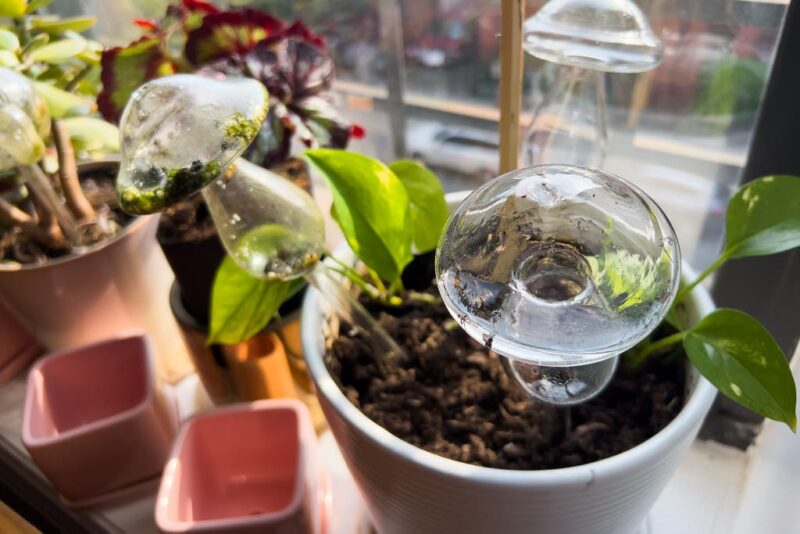
In Austin, TX, indoor plants are increasingly defined by interior design and comfort. While emphasis is placed on plant varieties and location, the role played by planters is sometimes neglected in interior design and comfort. Planter design and location affect interior air movement as well as interior lighting intensities or location. Even stores known locally, such as Just Pots Austin, reflect a broader design conversation: containers are not merely decorative; they subtly shape the micro-environment of an interior.
The Relationship between Containers and Air Movement
Indoor airflow is influenced by the arrangement of objects that either disrupt or reroute air moving from windows, doors, and ventilation outlets. Flowerpots can become soft stoppers, especially when the pot size is quite large, as with floor planters, or if several pots are grouped. Placed beneath a window or alongside an air vent, tall or wide containers can slow drafts down and create a wider dispersion pattern rather than the burst of air directly across the room. This can be advantageous in those areas where strong air currents lead to cold and hot spots or discomfort.
In contrast, smaller pots placed on open shelving or risers tend to permit airflow underneath and around them, keeping the air moving in tight rooms without dead spots that might feel stale. Not only does the placement of the pot make a difference, but so does the medium of the pot. Porous materials, like terracotta, will absorb small amounts of moisture from surrounding air, contributing to localized humidity regulation, whereas dense materials like concrete have their main effects on air due to physical placement rather than surface interaction.
How Pot Height and Scale Affect Light Distribution?
Another factor influenced by container selection is natural light. The type of light that will be filtered is dependent on the height of the potting containers. Small planters placed under windows will receive plenty of natural light that will not be obstructed from entering a room. On the other hand, the use of high planters alongside windows may shadow some parts of a room. The effect can be soft natural light that will be ideal in a room for viewing television.
The size of the container in relation to the size of the window opening also creates a distribution effect of light. In some cases, a container might cast a shadow, while in others, it depends on how many containers are in a row to create a distribution effect of light. This can significantly bring comfort to Austin homes, which are often exposed to high sunlight.
Surface Finishes and Reflectivity
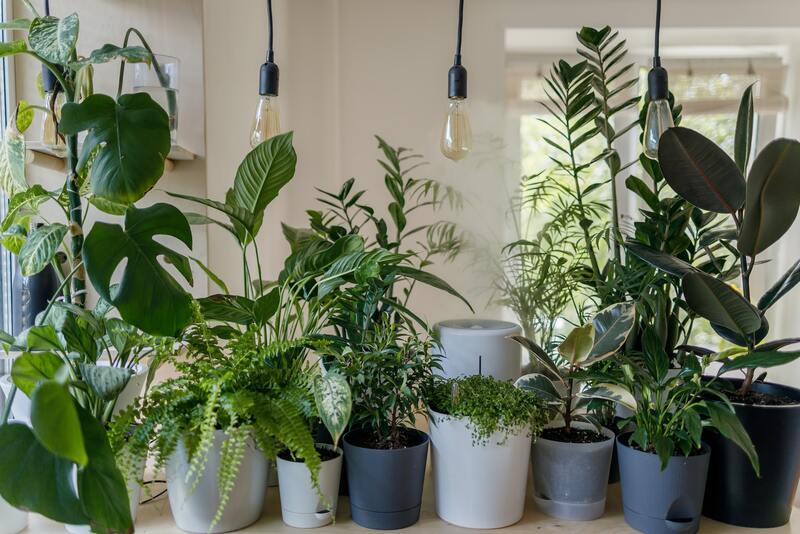
In addition to the size and location, the final color and texture of the pot can also impact the illumination effects within the room. The lighter pots tend to have an illumination effect on the rooms due to the reflection of the sun’s rays. Black and matte pots have the effect of preventing illumination within the room due to the absorptive characteristics of the material. This can be useful for rooms where illumination levels are low.
Texture is another factor. A smooth finish reflects light consistently, while a textured or patterned finish reflects it variably, creating a softening effect. Such variations can be deliberately exploited to control the effect of a space. The objective can be a bright and airy ambiance or a shaded and calm space.
Placement Strategies for Austin’s Climate
The climate of Austin, with its powerful sunlight and seasonal heat, creates an environment that makes thoughtful interior design essential. This could include placing larger pots away from the window to enable incoming light while reducing direct heat buildup around seating areas. Elevated stands or wall-mounted planters keep the floor free, supporting airflow at the ground level to prevent warm air from being caught around furniture.
Grouping pots in clusters creates microclimates within a room. Those placed near windows can filter in the incoming light and subtly redirect air, while planters that are isolated in interior zones maintain openness and circulation. Such strategies allow the homeowner to balance visual appeal with environmental comfort.
Integrating Design and Function
A realization about the effects of pots on airflow and light allows for an inclusive design. This design could turn the pots into an afterthought and transform them into elements that boost the efficiency of the airflow and lighting. With the passage of time, changing the position of the pots and the type may lead to an improvement in the room.
In the ever-changing home decor scene in Austin, the conversation about planters goes beyond aesthetics and into functionality. Whether browsing local resources or observing examples from places such as Just Pots Austin, the underlying principle remains consistent: plant pots are quite architectural elements. Through their form and position, they shape how air moves and light travels, contributing to healthier, more comfortable living spaces.